Classic Beef Stew (Tender, Rich and Easy)
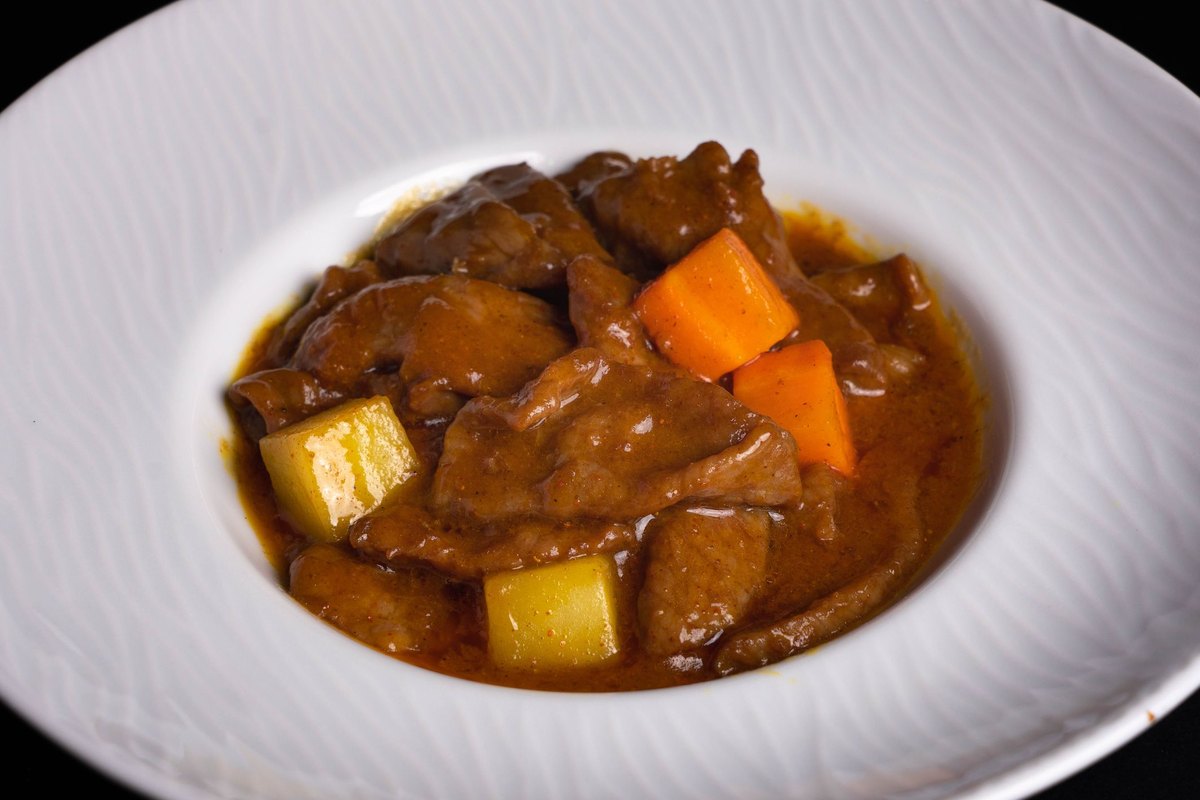
This classic beef stew simmers tender chuck, potatoes and carrots in a rich, glossy gravy, the kind of cozy one pot dinner my whole family asks for every winter.
Why make this
- Fork tender beef in a deeply savory gravy that tastes like it took all day
- One heavy pot does the searing, simmering and serving with easy cleanup
- Tastes even better the next day, so it is perfect for make ahead meals
When the first real cold snap rolls in, I pull out my heavy Dutch oven and make a big pot of beef stew. It is the dinner my kids associate with snow days, muddy boots by the back door and homework spread across the kitchen table while something good bubbles on the stove. There is nothing fancy about it, and that is exactly why we love it.
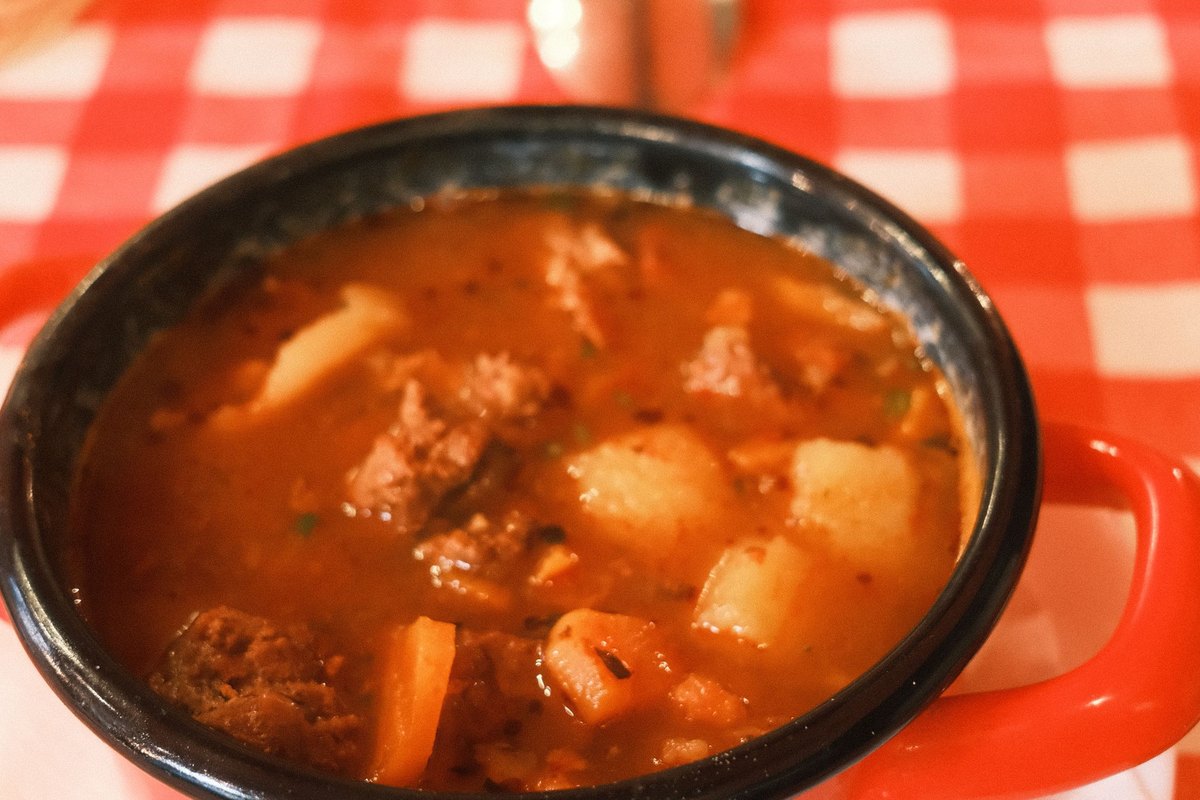
This is my classic beef stew, the one I have been tweaking for close to fifteen years. Chunks of chuck roast get a deep brown sear, then simmer low and slow with onions, garlic, a little tomato paste, broth and a splash of red wine until the meat practically falls apart. Potatoes and carrots go in partway through so they hold their shape instead of turning to mush. The gravy ends up thick, glossy and full of flavor without any heavy cream or canned soup.
It does take some time, mostly hands off, so I like to start it on a Sunday afternoon. By dinnertime the whole house smells incredible, and I usually have enough leftovers to cover a busy Monday or Tuesday night too.
Why this recipe works
- Chuck roast instead of lean stew meat. Chuck has plenty of marbling and connective tissue that melts during the long simmer, which is what makes each bite so tender and juicy.
- A real sear in batches. Browning the beef in two or three rounds gives every piece a dark crust and leaves flavorful bits in the pot that become the base of the gravy.
- Flour on the beef. A light coating of flour helps the meat brown and thickens the stew naturally as it cooks, so there is no slurry to fuss with at the end.
- Tomato paste and a little wine. Cooking the tomato paste until it darkens adds richness, and the wine lifts all those browned bits off the bottom of the pot.
- Vegetables added at the right time. Potatoes and carrots join the pot for the last hour, so they turn tender while still holding their shape.
Ingredients you’ll need
You likely have most of these in your pantry already. Check the recipe card below for exact amounts.
- Boneless beef chuck roast, cut into 1 1/2 inch pieces
- All purpose flour, salt and black pepper for coating
- Olive oil or another neutral oil for searing
- Yellow onion and fresh garlic
- Tomato paste
- Dry red wine, or extra broth if you prefer
- Low sodium beef broth
- Worcestershire sauce, bay leaves and dried thyme
- Yukon Gold potatoes and carrots
- Frozen peas and fresh parsley to finish
Ingredient notes and smart substitutions
Beef chuck roast
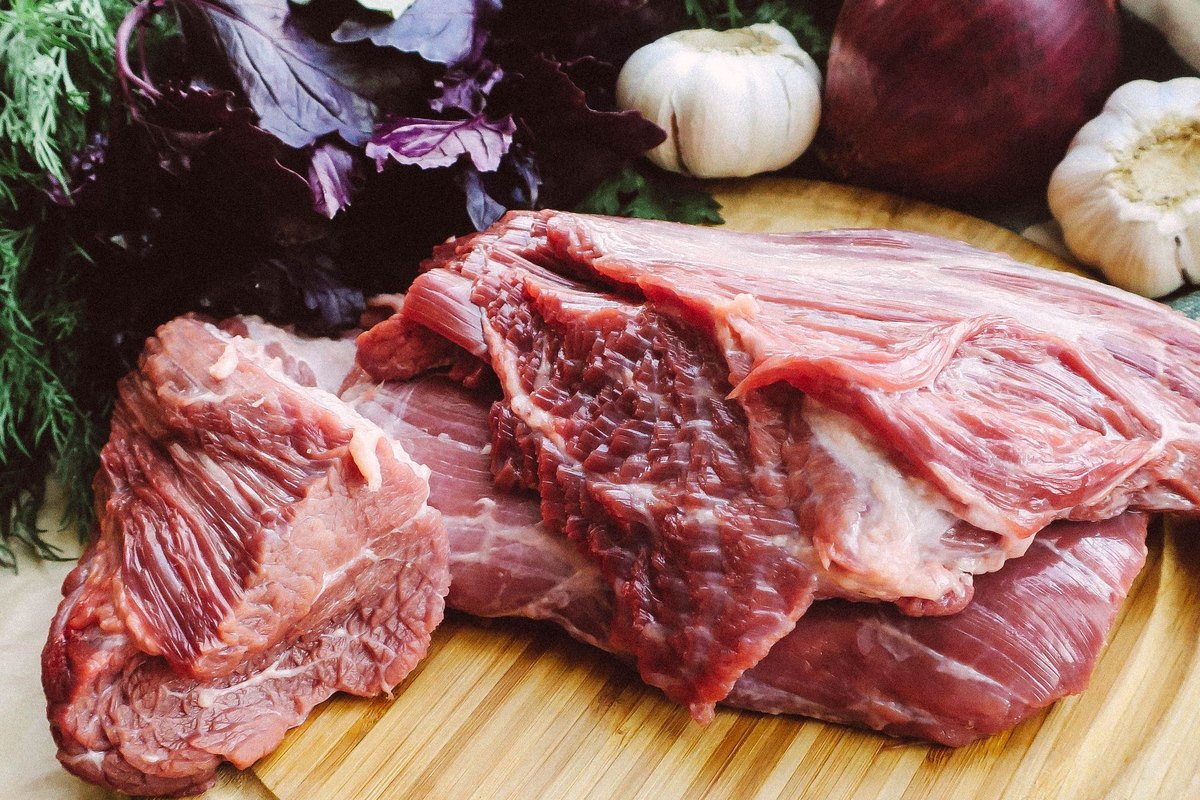
I always buy a whole chuck roast and cut it myself instead of grabbing the package labeled stew meat. Packaged stew meat is often a mix of trimmings from different cuts, so some pieces turn tender while others stay tough and dry. A chuck roast cooks evenly and costs about the same. Trim off any thick pieces of hard fat on the outside, but leave the marbling inside alone. If you cannot find chuck, a bottom round or brisket will work, though the stew will be a little leaner.
Red wine
A dry red like a cabernet or merlot adds depth and a gentle tang that balances the richness of the beef. Use a bottle you would happily drink. If you would rather skip the alcohol, replace the wine with more beef broth plus 1 tablespoon of red wine vinegar or balsamic vinegar to keep that bright note.
Beef broth
Go with low sodium broth so you can control the salt. The broth reduces quite a bit over a couple of hours, and regular broth can make the finished stew taste salty. Homemade stock is wonderful if you have it, and a good beef base mixed with water works just fine too.
Potatoes
Yukon Gold potatoes are my favorite here because they are creamy but sturdy, and you do not need to peel them. Red potatoes are a great swap. Russets will work, but they break down more and will thicken the gravy as they soften, which some folks actually love.
Tomato paste and Worcestershire
These two small ingredients do a lot of heavy lifting. Tomato paste brings savory sweetness and color, and Worcestershire sauce adds a salty, tangy depth that makes people ask what your secret is. If you have a tube of tomato paste in the fridge, this is a perfect time to use it.
How to make it
Give yourself about 3 hours from start to finish, most of it simmering while you do other things. A heavy Dutch oven or other thick bottomed pot with a lid is the best tool for the job.
Step 1. Prep and coat the beef
Pat the beef cubes very dry with paper towels. Moisture is the enemy of a good sear. In a large bowl, toss the beef with the flour, salt and pepper until every piece is lightly coated. Shake off any extra flour so it does not scorch in the pot.
Step 2. Sear the beef in batches
Heat 2 tablespoons of oil in your Dutch oven over medium high heat until it shimmers. Add about a third of the beef in a single layer with space between the pieces and let it sit, without stirring, for 3 to 4 minutes until a deep brown crust forms. Turn and brown another side, then move the beef to a plate. Repeat with the remaining beef, adding a little more oil as needed.
Step 3. Cook the aromatics
Lower the heat to medium. Add the chopped onion to the pot and cook for about 5 minutes, scraping the bottom as the onion releases moisture. Stir in the garlic for 30 seconds, then add the tomato paste and cook, stirring, for 2 minutes until it turns a shade darker and smells sweet.
Step 4. Deglaze and build the broth
Pour in the red wine and scrape up every browned bit from the bottom of the pot with a wooden spoon. Let it bubble for 2 minutes to cook off some of the alcohol. Add the beef broth, Worcestershire sauce, bay leaves and thyme, then return the beef and any juices on the plate to the pot.
Step 5. Simmer low and slow
Bring everything to a gentle boil, then lower the heat until the stew barely bubbles. Cover with the lid slightly cracked and simmer for 1 1/2 hours, stirring every 30 minutes or so. You want a lazy simmer, not a rolling boil, which can toughen the meat.
Step 6. Add the potatoes and carrots
Stir in the cubed potatoes and sliced carrots. Cover and continue simmering for 45 minutes to 1 hour, until the vegetables are tender and the beef breaks apart easily with a fork. If the stew looks too thick, add a splash of broth. If it looks thin, simmer uncovered for the last 15 minutes.
Step 7. Finish and serve
Fish out the bay leaves. Stir in the frozen peas and let them warm through for about 3 minutes. Taste and adjust the salt and pepper, then sprinkle with fresh parsley and ladle into big bowls.
Common mistakes to avoid
- Crowding the pot. Too much beef at once will steam instead of sear, and you will lose most of that rich browned flavor. Work in batches even when you are in a hurry.
- Skipping the drying step. Wet beef will not brown well and the flour coating turns gummy. A few paper towels make a real difference.
- Boiling instead of simmering. A hard boil tightens the meat fibers and leaves you with chewy beef. Keep the heat low enough that you only see a few lazy bubbles.
- Adding the vegetables too early. If the potatoes and carrots go in at the start, they will be falling apart long before the beef is ready.
- Pulling it too soon. If the beef still feels firm, it simply needs more time. Chuck goes from tough to tender once the connective tissue melts, so keep simmering and check every 15 minutes.
Make ahead and storage
Beef stew is one of those meals that genuinely improves overnight. The flavors settle in and the gravy thickens as it rests, so I often make it a day ahead on purpose when we have company coming.
Fridge
Let the stew cool for about 30 minutes, then transfer it to airtight containers and refrigerate for up to 4 days. Any fat will rise to the top and firm up, and you can spoon it off before reheating if you like.
Freezer
Freeze the stew in freezer safe containers or zip top bags for up to 3 months. Potatoes can get a little grainy after freezing, so if I know a batch is headed for the freezer, I sometimes leave the potatoes out and add freshly cooked ones when I reheat. Thaw overnight in the fridge.
Reheating
Warm the stew in a pot over medium low heat, stirring now and then, until it is steaming hot all the way through. Add a splash of broth or water to loosen the gravy, since it thickens quite a bit in the fridge. Single bowls reheat well in the microwave, covered, in 1 minute bursts with a stir between each.
Variations
- Slow cooker beef stew. Sear the beef and cook the aromatics on the stove, then move everything except the peas to a slow cooker. Cook on LOW for 8 hours or HIGH for 4 to 5 hours, adding the peas at the end.
- Mushroom beef stew. Brown 8 ounces of sliced cremini mushrooms after the beef and before the onion for an even earthier gravy.
- Root vegetable stew. Swap some of the potatoes for parsnips, turnips or sweet potatoes for a slightly sweeter, more colorful pot.
- Irish style stew. Use a dark stout in place of the red wine and add a pinch of rosemary along with the thyme.
- Extra veggie version. Stir in a couple of handfuls of chopped green beans or celery with the potatoes to stretch the stew further for a bigger crowd.
No matter which version you choose, keep the basic method the same. Sear well, simmer gently and give the beef enough time, and you really cannot go wrong.
What to serve with it
A bowl of beef stew is a full meal on its own, but a little something on the side makes dinner feel complete. My family always wants bread for dunking, and I like to add something fresh and crunchy to balance all that richness.
- Crusty bread or warm dinner rolls for soaking up every drop of gravy.
- Buttermilk biscuits or skillet cornbread when you want something a little more homey.
- A simple green salad with a sharp vinaigrette to cut through the rich broth.
- Buttered egg noodles or mashed potatoes if you want to stretch the stew to feed a few extra people.
- Roasted green beans or Brussels sprouts for a bright vegetable side.
I hope this classic beef stew becomes a cold weather staple in your house the way it is in mine. Make a big pot, invite someone over and enjoy a slow, cozy evening around the table.
Classic Beef Stew
Tender chunks of chuck roast simmered with potatoes, carrots and peas in a rich red wine and tomato gravy. A hearty one pot dinner for cold nights.
Ingredients
- 3 pounds boneless beef chuck roast, cut into 1 1/2 inch pieces
- 1/4 cup all purpose flour
- 1 1/2 teaspoons kosher salt, plus more to taste
- 1 teaspoon black pepper
- 3 tablespoons olive oil, divided
- 1 large yellow onion, chopped
- 4 cloves garlic, minced
- 3 tablespoons tomato paste
- 1 cup dry red wine
- 4 cups low sodium beef broth
- 1 tablespoon Worcestershire sauce
- 2 bay leaves
- 1 teaspoon dried thyme
- 1 1/2 pounds Yukon Gold potatoes, cut into 1 inch cubes
- 4 medium carrots, sliced 1/2 inch thick
- 1 cup frozen peas
- 2 tablespoons chopped fresh parsley
Instructions
- Pat the beef dry with paper towels, then toss it in a large bowl with the flour, salt and pepper until lightly coated.
- Heat 2 tablespoons of oil in a Dutch oven over medium high heat. Brown the beef in batches, 3 to 4 minutes per side, then transfer to a plate. Add more oil as needed.
- Lower the heat to medium. Cook the onion for 5 minutes, add the garlic for 30 seconds, then stir in the tomato paste and cook for 2 minutes until darkened.
- Pour in the wine and scrape up the browned bits. Simmer 2 minutes, then add the broth, Worcestershire sauce, bay leaves, thyme and the beef with its juices.
- Bring to a gentle boil, reduce the heat to low, cover with the lid slightly cracked and simmer for 1 1/2 hours, stirring occasionally.
- Add the potatoes and carrots. Cover and simmer 45 minutes to 1 hour more, until the vegetables are tender and the beef shreds easily with a fork.
- Remove the bay leaves, stir in the peas and cook 3 minutes. Season to taste with salt and pepper, sprinkle with parsley and serve hot.
Frequently Asked Questions
What is the best cut of beef for beef stew?
Chuck roast is the best choice for beef stew. It has generous marbling and connective tissue that slowly melt during simmering, which keeps the meat moist and makes it fork tender. Buy a whole roast and cut it yourself rather than using packaged stew meat, which often mixes different cuts that cook unevenly.
Why is my beef stew meat tough?
Tough stew meat almost always means it needs more time or it cooked at too high a heat. Chuck gets tougher before it gets tender, so keep simmering gently and test a piece every 15 minutes. Boiling hard can also tighten the meat fibers, so keep the pot at a low, lazy simmer with just a few bubbles.
How do I thicken beef stew?
The flour on the beef thickens this stew as it cooks. If you want it thicker, simmer it uncovered for 15 to 20 minutes so the liquid reduces. You can also mash a few potato pieces against the side of the pot, or stir in a slurry of 1 tablespoon cornstarch mixed with 2 tablespoons cold water and simmer for a couple of minutes.
Can I make beef stew without wine?
Yes. Replace the red wine with an equal amount of beef broth and add 1 tablespoon of red wine vinegar or balsamic vinegar. The vinegar gives the gravy the same gentle tang and depth that wine provides. The stew will still be rich and flavorful, and it is a great option when you are cooking for kids.
Can I make this beef stew in a slow cooker?
Absolutely. Sear the beef and cook the onion, garlic, tomato paste and wine on the stove first for the best flavor. Transfer everything except the peas and parsley to the slow cooker, including the potatoes and carrots. Cook on LOW for 8 hours or HIGH for 4 to 5 hours, then stir in the peas for the last 10 minutes.
You May Also Like

Homemade Chicken Noodle Soup (Cozy and Comforting)
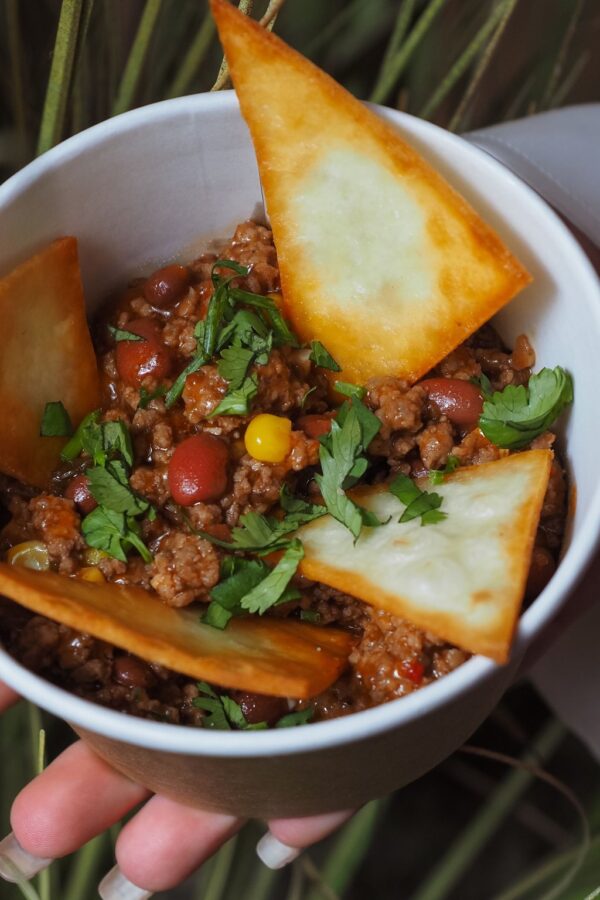
Easy Homemade Chili (One Pot, Family Favorite)
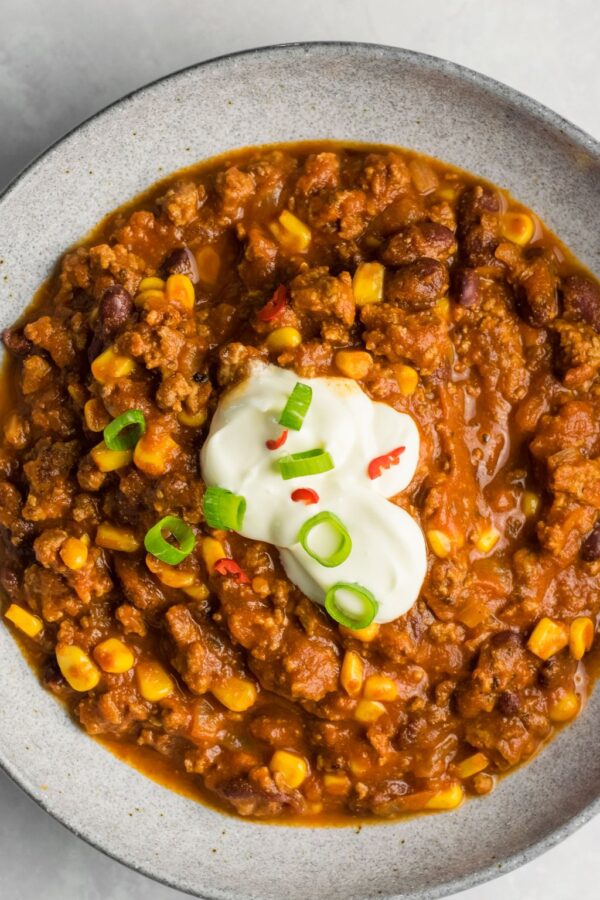
16 Hearty Winter Stews and Chilis